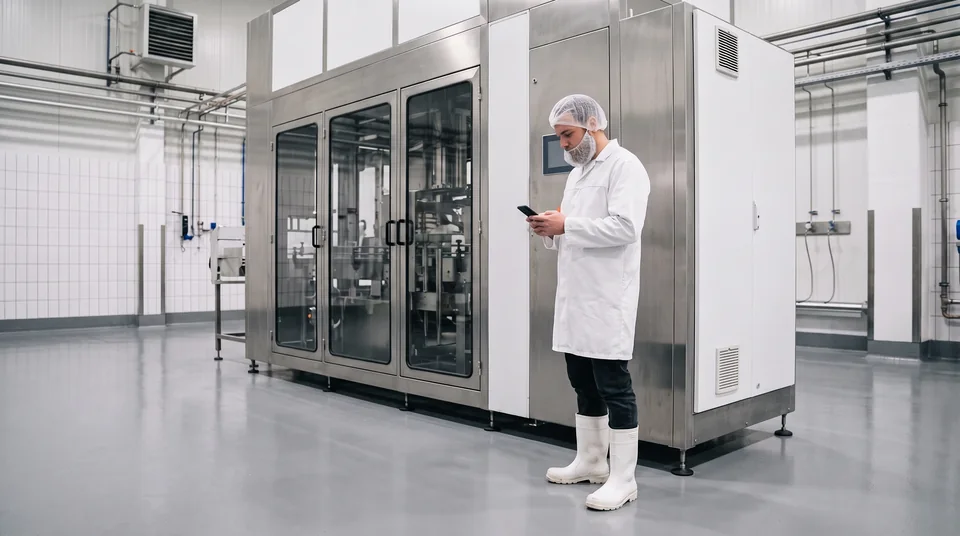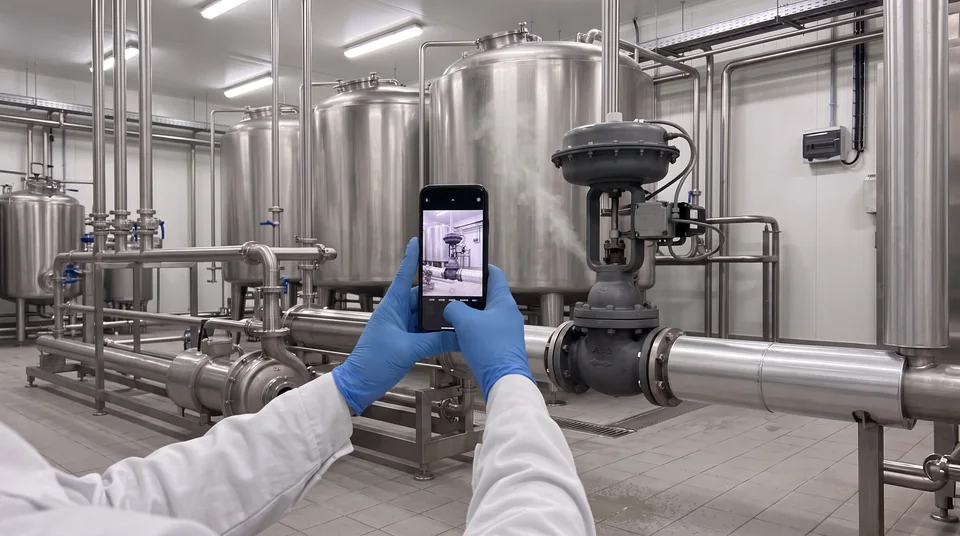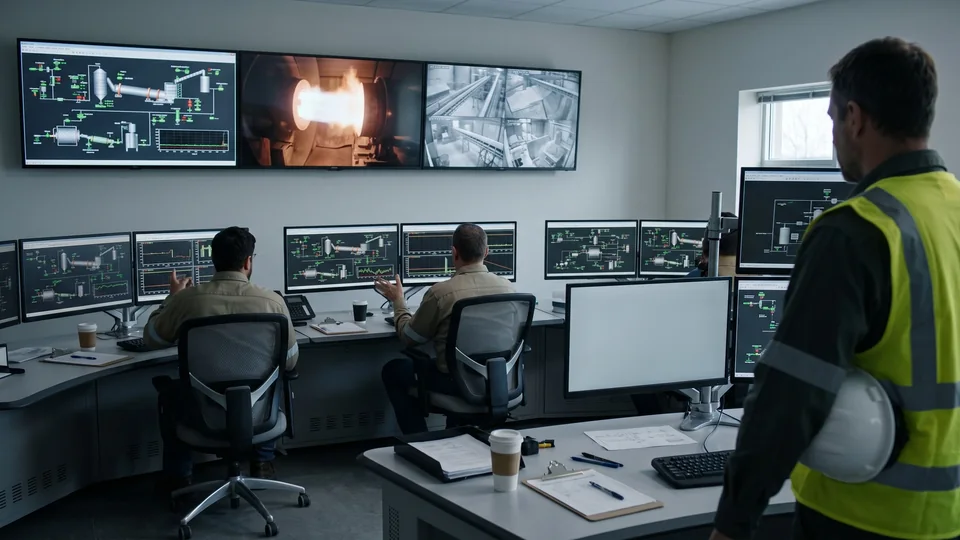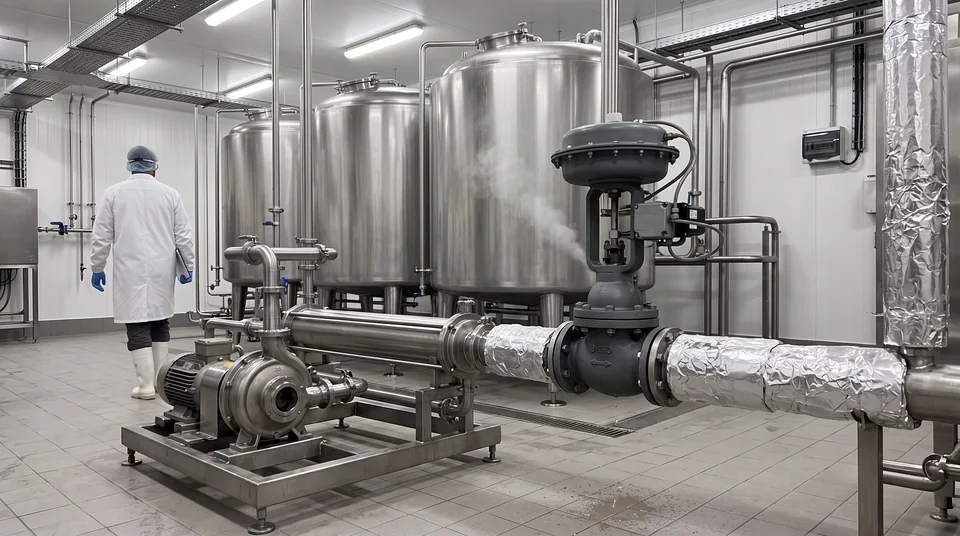
Every plant has one. The pump that trips every few weeks. The sealer whose settings keep moving. The conveyor that stops at full rate. It gets repaired, it runs, and a few weeks later it is back. People start to call it "just how that machine is".
It is rarely bad luck. A repeat breakdown usually means the first repair dealt with what was visible, not with what caused it.
Four reasons a fault returns
1. Parts were changed until it ran. Under pressure, the quickest route is to replace the likely parts one after another. When the machine starts, the job is closed. Nobody knows which change made the difference, or whether any of them did.
2. "Fixed" meant one good run. A machine that runs for an hour after a repair has proved nothing. Many faults only show at full rate, at temperature, or on a particular product.
3. The knowledge left with the shift. What was checked, what was ruled out and what was measured stays in one person's head. The next shift starts again from the beginning.
4. Root cause analysis was saved for the big events. The formal investigation happens after a major failure. The small trips and repeat stops, which together often cost more, get no analysis at all.
A routine any shift can follow
You do not need a specialist team to break the pattern. You need the same few steps every time.
- List the likely causes, then test them in order. Start with the most likely, and decide how you will check each one before you touch anything. Look across the machine, the material and the method. The fishbone diagram helps the team look wider than its first idea. The 5 whys then takes a confirmed cause down to its root.
- Write down every result in plain words. "Checked hydraulic pressure: normal" is worth as much as finding the fault, because it stops the next person checking it again.
- Count a fix only after a fair test. Decide in advance what the machine must do to prove the fault has gone, and run it.
- Sign off with the evidence in front of you. The supervisor should see three things: the cause that was confirmed, what was done, and the test that passed.
- Ask again later. Did it stay fixed? A repeat on the same machine is a signal that the real cause is still there.
- Close the gap in the plan. If the cause could have been caught by an inspection, add that inspection, with an owner and a date.
What changes when you work this way
The first change is that arguments get shorter, because there is a record of what was tested. The second is that know-how stays in the plant: the next shift starts where the last one finished. The third takes longer to show: the list of machines that "always do that" starts to get shorter.
How EXLATECH helps: EDPS gives every shift the likely causes and how to check each one, and a fix only counts once a test proves it. Book a demo and bring one real breakdown from last month.