Milk does not wait. From the moment it arrives, the clock is running: on the milk itself, on shelf life and on the day's delivery plan. That is why downtime in a dairy costs more than the lost minutes suggest.
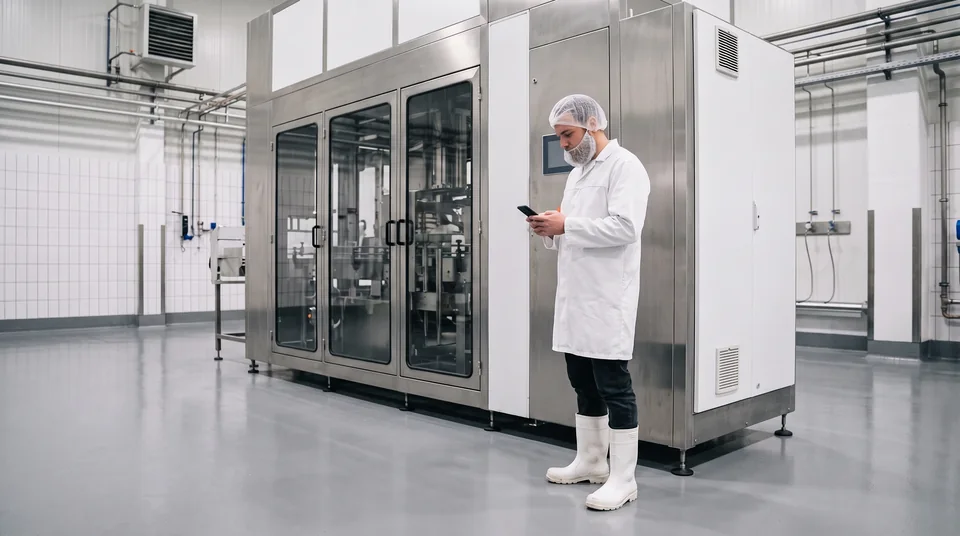
The filler is where it shows first. On many lines it is the bottleneck, the slowest point, and when it stops, everything upstream backs up.
The losses that hide in a normal shift
A filler rarely fails in one large breakdown. It loses time in small pieces:
- Short stops. A jam, a misfeed, a sensor that needs wiping. Each lasts a minute or two. The operator clears it and carries on, and it never reaches a report.
- Leakers (packs that leak) and seal faults. A pack that leaks is worse than a stop. The line keeps running while it makes product that has to be found, held and checked.
- Cleaning that overruns. A CIP (clean-in-place) cycle that takes longer than planned pushes the start of the next run. When the line is already late, the temptation is to shorten a check.
- Pasteuriser trips. A trip sends the milk into diversion and leaves the filler waiting. A deviation in the records puts the batch on hold and test.
Each one is small. Added up over a shift, they are often the biggest loss on the line, and because they are small they stay invisible.
Catch it on day one
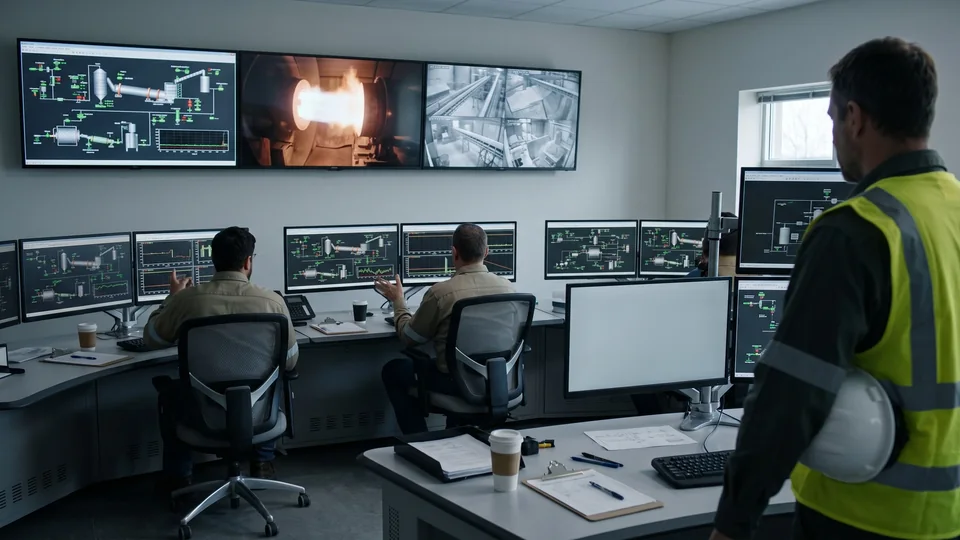
The first step is to see the loss the next morning, not at the end of the month. Yesterday's OEE, CIP time and losses should be on one board before the morning meeting starts. Leakers themselves are acted on at once, on the shift: the line stops and product is held back to the last good check. The morning board then makes sure the lasting fix has an owner before 8 a.m.
Prove the cause, and protect the product while you do
In food, a repair is not finished when the machine restarts. Two things have to happen together: the cause has to be proven, and every suspect pack has to stay on hold until QA has tested it and decided to release or reject it.
Three habits for a dairy line
Treat food safety as the first ranking rule. Any machine that carries a severe food-safety risk belongs in the top class of the maintenance plan: fillers, homogenisers, pasteurisers.
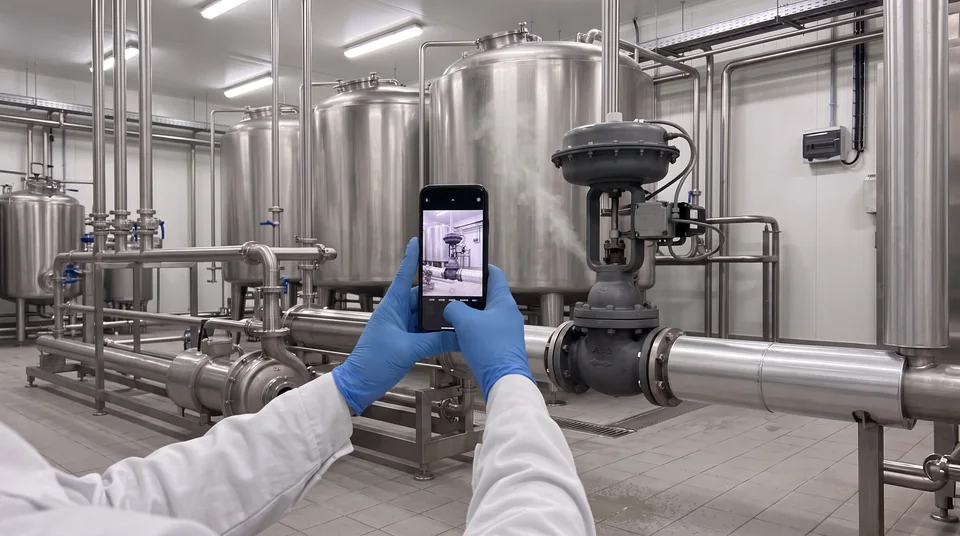
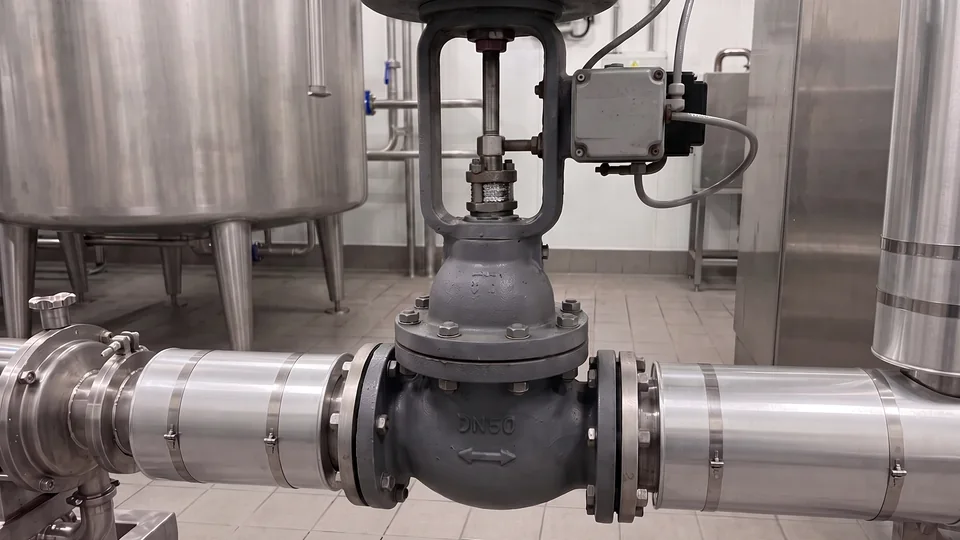
Tag what you see during cleaning. Cleaning the outside of a machine by hand is the best inspection a dairy has. A little steam escaping at a CIP valve, a seal starting to leak, a loose guard: report it then, with a photo, to a named person.
Test the protections. Interlocks and diversion systems only act when something has gone wrong. Give each one its own test in the plan.
How EXLATECH helps: see the four apps set up for dairy, from the morning board to a fix that must pass a test before release. Book a demo.